 how-to
Discreet Packaging for Intimate Products: A Complete Guide
Table of Contents
- What Discreet Packaging Means for Intimate Products
- How Plain Packaging and Unbranded Boxes Protect Your Privacy
- Discreet Packaging Examples: What You'll Actually Receive
- Neutral Shipping Labels and Billing Descriptors Explained
- How to Check a Retailer's Shipping Policy for Discreet Delivery
- Secure Delivery for Personal Care Products: Privacy From Checkout to Doorstep
- Privacy Limits and What Discreet Packaging Cannot Hide
- Frequently Asked Questions
Last Updated: October 19, 2026
What Discreet Packaging Means for Intimate Products
Discreet packaging for intimate products is the practice of shipping personal care items and pleasure accessories in plain, unmarked boxes without any visible branding, product images, or suggestive language on the exterior or inside packaging.
The goal is simple: what you buy stays between you and the retailer. No neighbors, roommates, or family members should be able to tell what's inside by looking at the box or the shipping label.
This matters because privacy is personal. Whether you're exploring intimate wellness for the first time, shopping as part of a couple, or simply prefer to keep your purchases confidential, discreet packaging removes the anxiety from online ordering. You get the products you need without worrying about who might see the package arrive.
Here's what discreet packaging actually covers:
- Plain outer boxes with no product names or images
- Neutral return addresses that don't identify the retailer
- Protective inner packaging that conceals products from view
- Billing descriptors that don't reveal what you purchased
- Discrete handling during delivery and tracking
Understanding what discreet packaging includes, and what it doesn't, helps you shop with confidence.
How Plain Packaging and Unbranded Boxes Protect Your Privacy
Plain packaging and unbranded boxes form the foundation of privacy protection. A plain box looks identical to shipments from any other online retailer. No one can identify the contents by looking at the exterior.
Unmarked Outer Packaging
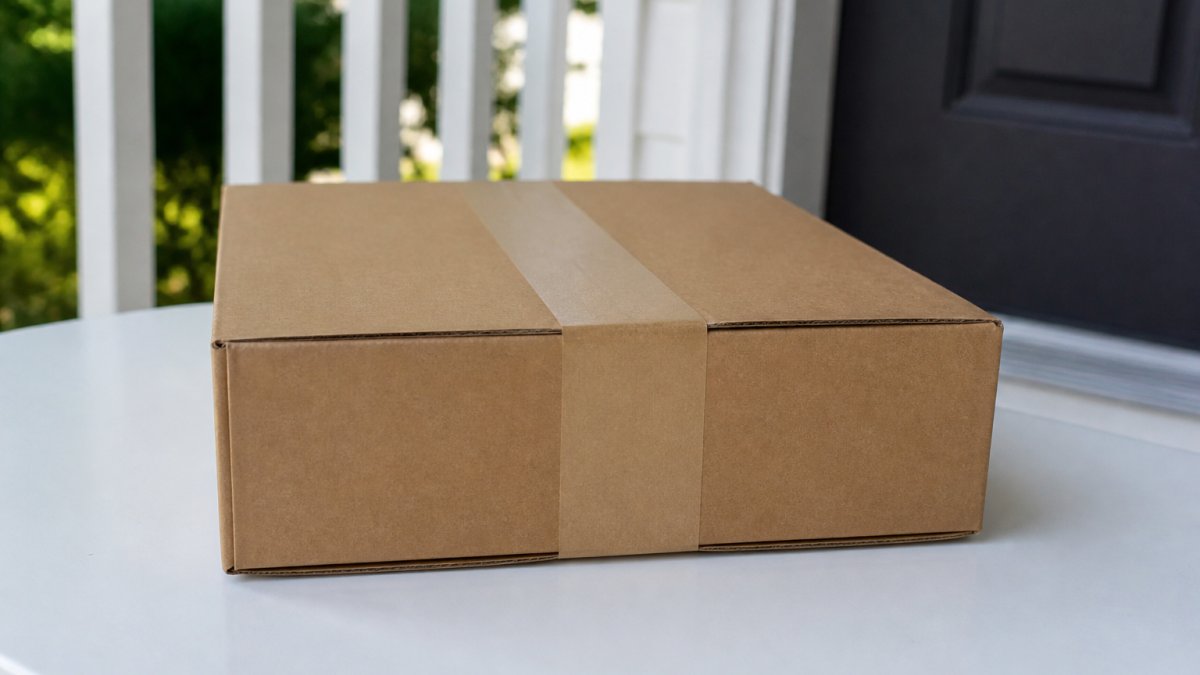
The outer box is your first layer of privacy. A discreet shipment arrives in a plain cardboard box, typically brown or white, with no product images, brand logos, or suggestive language printed anywhere on the surface.
The box itself is standard shipping material, nothing unusual that would draw attention. No special markings. No hints about what's inside. The label shows only your name and address on the front, with a neutral return address on the back.
This unmarked approach means a delivery person, neighbor, or anyone else who sees the package has no way to know its contents. It looks like you ordered office supplies, clothing, or any other everyday item.
Protective Inner Packaging
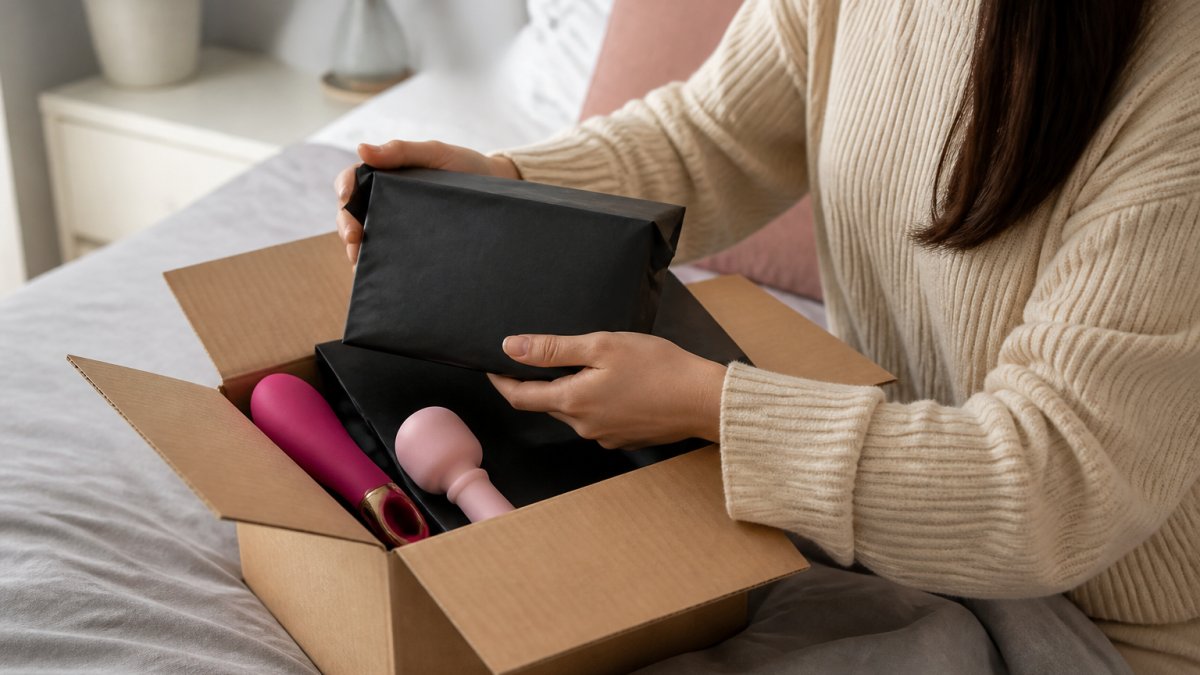
Inside the outer box, products are wrapped or placed in protective materials that keep items hidden from view if the box is opened. This inner layer serves two purposes: it protects fragile items and maintains privacy if someone accidentally sees inside.
At Glow Pulse Pleasure, we ensure products are cushioned with protective materials that also conceal what's inside. If you open the box in a shared space, the inner packaging keeps the actual products out of sight until you're alone.
Some retailers also include a privacy sleeve or opaque bag around individual items for an extra layer of concealment.
Discreet Packaging Examples: What You'll Actually Receive
When your order arrives from a retailer offering discreet packaging, here's what you see on the outside:
A plain cardboard box, brown or white, with standard shipping tape. Your name and address printed on a standard label. A return address with a generic company name or PO box, nothing that identifies the business as an adult retailer.
No product names. No images. No suggestive wording. Just a box that could contain anything.
Inside, products are wrapped in protective materials. You might find bubble wrap, tissue paper, or a plain cardboard insert separating items. Everything is arranged so that if someone opens the box, they don't immediately see what's inside.
The key difference between discreet and standard packaging is visibility. Standard packaging might include the retailer's logo, product images, or product names. Discreet packaging removes all of that. You get the same products, the same quality, the same care, just without any external indicators of what you've ordered.
Neutral Shipping Labels and Billing Descriptors Explained
Two things can reveal your purchase if not handled carefully: the shipping label and your credit card statement. Discreet retailers address both.
What Shipping Labels Reveal (and What They Don't)
A shipping label shows your name, address, and the sender's information. It doesn't show the package contents, that information is internal to the shipping carrier's system.
When a carrier (UPS, FedEx, USPS) scans your package, the driver and sorting facilities can see the sender's name and address. If the sender's return address clearly identifies an adult retailer, anyone handling the package knows what it likely contains.
Discreet retailers use neutral return addresses to solve this. Instead of "Adam and Eve" or another recognizable name, the return address might say "Customer Service," a PO box, or a generic company name that doesn't identify the business.
The tracking number is tied to your order, but the carrier's tracking page doesn't display product details. You see "Package in transit" or "Out for delivery", not what's inside.
Delivery notifications (emails or texts from the carrier) also don't mention contents. They just confirm the package is on its way.
Billing Statements and Payment Privacy
Your credit card statement is the most common way someone else might discover what you've ordered. If you share finances with a partner or family member, or if someone has access to your account, the billing descriptor reveals the retailer's name.
Discreet retailers use billing descriptors carefully. Instead of "Adam and Eve Adult Retail," your statement might show a generic company name or abbreviation that doesn't clearly identify the business.
Some retailers use a parent company name or a neutral holding company name on billing statements. This adds privacy without changing how you pay.
If you're concerned about shared billing, consider these options:
- Use a separate payment method or account if possible
- Check your billing statement before it arrives
- Have statements sent to an email address only you access
- Discuss privacy with your partner beforehand
How to Check a Retailer's Shipping Policy for Discreet Delivery
Before you order, verify that a retailer actually offers discreet packaging. Don't assume, ask.
Look for a shipping or privacy policy on the retailer's website. Search for keywords like "discreet," "plain packaging," "unmarked," or "confidential." Most retailers that prioritize privacy mention it clearly.
At Glow Pulse Pleasure, we detail our discreet packaging approach so you know exactly what to expect before you buy.
If you don't find information on the website, contact customer service directly. Ask:
- Do you use plain, unmarked boxes?
- What does the return address show on the package?
- Are products wrapped or concealed inside the box?
- What appears on my billing statement?
- Can you hold the package for pickup if delivery is a concern?
A retailer that prioritizes privacy will answer these questions clearly. If they're vague or defensive, that's a red flag.
Look for retailers that:
- Explicitly mention discreet packaging on their homepage or shipping page
- Use neutral return addresses
- Wrap products in protective materials
- Use generic billing descriptors
- Offer delivery options (signature required, hold for pickup, etc.)
Secure Delivery for Personal Care Products: Privacy From Checkout to Doorstep
Privacy protection starts before your package ships. It continues through delivery and beyond.
Shared Households and Workplace Delivery Considerations
If you live with others, think about where you want your package delivered. A package left on a porch is visible to anyone passing by. A package signed for by someone else might be opened before you get home.
Consider these options:
- Request signature confirmation so only you sign for the package
- Have it delivered to your workplace if that's more private
- Ask the carrier to leave it in a specific location (side door, back porch)
- Use a package locker or pickup location if available
- Schedule delivery for a time when you're home
If you live in an apartment, the front desk or mail room staff might see the package. Plain packaging means they won't know what's inside, but they'll still know a delivery arrived.
If you're ordering for a shared household, talk to your partner or family member beforehand. Many couples order together and want discreet packaging for practical reasons, not because of shame, but because privacy is normal.
Tracking Information and Delivery Notifications
Your tracking number lets you monitor the package's progress without revealing its contents to anyone else. Tracking pages show location and estimated delivery time, not what's inside.
Delivery notifications from carriers (emails or texts) don't mention products. They just confirm movement through the system.
Be aware of who has access to your email or phone. If someone else checks your messages, they might see delivery notifications. Consider:
- Using a separate email for online orders
- Opting out of text notifications if they're shared
- Checking tracking yourself rather than waiting for notifications
Some retailers offer email notifications when your package ships. These can be sent to a private email address if you prefer.
Privacy Limits and What Discreet Packaging Cannot Hide
Discreet packaging protects your privacy in most situations, but it has limits. Understanding what it can't hide helps you plan accordingly.
What discreet packaging cannot hide:
A package still arrives. Someone might see it on your porch or at your door. Plain boxes don't prevent delivery.
Your billing statement shows the retailer's name. If you share finances or someone has account access, they'll see a charge from the company, even if the billing descriptor is neutral.
If a package is damaged or lost, you might need to file a claim. This requires describing the contents to the carrier or retailer.
If someone opens your package after delivery, they'll see what's inside. Discreet packaging doesn't prevent that.
What discreet packaging does protect:
Casual observation. A neighbor, delivery person, or anyone seeing the package won't know its contents.
Accidental discovery. If someone opens the box without looking carefully, the inner packaging keeps products concealed.
Billing privacy. A neutral descriptor doesn't immediately identify the retailer.
Tracking privacy. Package tracking doesn't reveal contents.
Understanding these limits helps you choose the delivery method and payment approach that works best for your situation.
At Glow Pulse Pleasure, we're committed to your privacy from the moment you add items to your cart through delivery and beyond. When you shop with us, your privacy is protected. For more information on consumer privacy protections in online retail helps ensure that retailers handle your personal information responsibly.
| Packaging Element | What It Does | Privacy Level |
|---|---|---|
| Plain outer box | Conceals contents from external view | High |
| Neutral return address | Doesn't identify retailer | High |
| Inner protective wrapping | Hides products if box is opened | Medium |
| Generic billing descriptor | Doesn't reveal retailer name on statement | Medium |
| Discreet tracking | Shows package movement, not contents | High |
| Signature confirmation | Ensures only you receive the package | High |
Frequently Asked Questions
What does discreet packaging mean for intimate products?
Discreet packaging for intimate products means the outer box is plain and unbranded, with no product names, images, or sexual terminology visible. The sender information uses neutral language, and inner packaging is designed to prevent contents from shifting or making noise. The goal is to protect your privacy during delivery and when packages arrive at your home or workplace. Most reputable retailers offering intimate products provide this standard protection.
Will the shipping label reveal what is inside my package?
A discreet shipping label will not describe the contents of your package. It typically shows only a generic sender name and your address. However, the carrier (such as UPS, FedEx, or USPS) may have internal tracking systems that record shipment details. Your tracking number and delivery notifications will not mention product specifics. If you have concerns about a specific retailer's practices, check their shipping policy before ordering.
How can I check a retailer's shipping policy for discreet delivery?
Look for a 'Shipping' or 'Privacy' page on the retailer's website, typically found in the footer or customer service section. Search for keywords like 'discreet packaging,' 'plain box,' or 'confidential shipping.' Contact customer service directly with specific questions about sender names, box labeling, and billing descriptors. Reputable retailers are transparent about their privacy practices and will answer these questions clearly.
Does discreet packaging include a neutral billing descriptor on my payment statement?
Yes, most retailers offering discreet shipping also use neutral billing descriptors on credit card and bank statements. Instead of showing the store's name or product category, your statement may display a generic company name or initials. This protects your financial privacy in addition to physical packaging privacy. Always verify this with the retailer before checkout. If the billing descriptor appears too specific or revealing, contact customer service to confirm what will show on your statement.