 how-to
How to Choose Your First Vibrator: A Beginner's Guide
Table of Contents
- Understanding Your Stimulation Preferences
- Types of Vibrators Explained
- Vibrator Materials and Body Safety
- Size, Shape, and Control Features
- How to Use a Vibrator for the First Time
- How to Clean a Vibrator and Storage Tips
- Practical Considerations: Noise, Discretion, and Value
- Frequently Asked Questions
Last Updated: October 11, 2026
Understanding Your Stimulation Preferences
When you choose your first vibrator, start by understanding what kind of stimulation appeals to you. Everyone's body is different, and what works for one person might not work for another.
Think about what feels good when you touch yourself. Do you prefer direct contact on the outside, internal sensation, or a combination of both? Your answer shapes which vibrator type makes sense for you.
Clitoral vs. Internal Stimulation
Clitoral stimulation targets the external pleasure zone with focused vibration. Many people find this type of sensation easier to control and more straightforward for beginners.
Internal stimulation involves insertion and works with your internal anatomy. This type of stimulation can feel very different from external touch. Some people prefer it, others don't, and that's completely normal.
The choice between clitoral and internal stimration comes down to personal preference. You don't need to choose one forever.
G-Spot and Blended Stimulation
The G-spot is an area inside the vagina that some people find sensitive and pleasurable. Not everyone has the same level of sensitivity here, and that's completely normal.
Blended stimulation means combining clitoral and internal sensation at the same time.
You don't need to figure out your G-spot preferences before you choose your first vibrator.
Types of Vibrators Explained
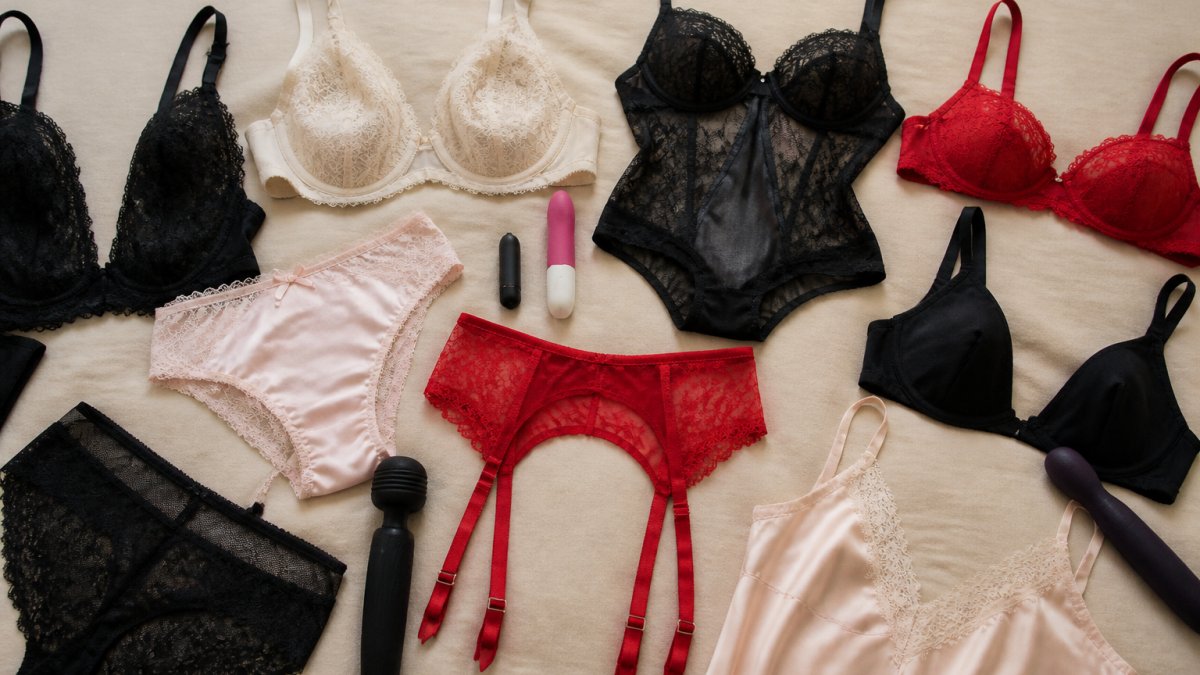
Different vibrator types deliver different sensations. Understanding the main categories helps you narrow down what might work best for you.
Bullet Vibrators
Bullet vibrators are small, compact, and simple. They're typically egg-shaped or rounded and usually measure 2-3 inches long. Most are designed for external clitoral stimulation.
Bullets are beginner-friendly because they're easy to hold, control, and store. They're also usually affordable and come with straightforward controls.
The main limitation is that bullets don't offer much variety in terms of shape or internal use. They're focused, single-purpose tools.
Wand Vibrators
Wand vibrators have a larger head and a handle. They look somewhat like a back massager (and some are marketed that way).
Wands are excellent for broad stimulation. They're easy to maneuver and work well for people who like gentle, widespread sensation rather than pinpoint focus.
The trade-off is size. Wands are bulkier than bullets, which matters for storage and discretion. They also typically require more space to use comfortably.
Rabbit Vibrators
Rabbit vibrators have both an external arm for clitoral contact and an internal shaft for insertion.
Rabbits are popular because they offer multiple sensations in one toy. They're good if you want to explore both types of stimulation without buying multiple vibrators.
The complexity is a drawback for some beginners. Rabbits have more features to learn, and their size can feel intimidating if you're new to vibrators.
Wearable and Other Options
Wearable vibrators sit against your body and stay in place during partnered sex or hands-free use. They're designed for couples or for people who want to explore hands-free sensation.
Other options include app-controlled vibrators (which you control via your phone), luxury designs with premium materials, and specialized shapes for specific sensations.
For your first vibrator, stick with the basics: bullets, wands, or rabbits. You can explore specialty options later once you understand your preferences.
Vibrator Materials and Body Safety
The material your vibrator is made from matters for both comfort and safety. Your body will be in direct contact with it, so choosing body-safe materials is important.
Safe Material Options
Silicone is the gold standard for vibrator materials. Silicone doesn't absorb bacteria and is easy to clean (Silicone in Dermatology: An Update).
ABS plastic is another safe option. It's harder than silicone and creates a firmer feel.
Stainless steel is safe, durable, and smooth. It's often used in higher-end vibrators.
Look for vibrators labeled as body-safe. This means the manufacturer has tested the material and confirmed it won't irritate your skin or cause harm.
What to Avoid
Stay away from jelly rubber or PVC materials. These can break down over time and leach chemicals. They're also porous, which means they trap bacteria. Avoid any vibrator that smells strongly of chemicals or plastic.
Don't assume cheaper vibrators are always unsafe, but do check the material. A budget vibrator made from silicone is better than an expensive one made from low-quality plastic.
Size, Shape, and Control Features
Your first vibrator should feel comfortable in your hand and inside your body (if you're exploring internal use). Size and shape matter more than you might think.
Choosing the Right Size and Shape
Think about what feels good when you touch yourself. If you prefer gentle, broad sensation, a larger wand might work.
For internal use, consider your comfort level with insertion. A beginner might prefer something slimmer and shorter.
Curved or angled vibrators are designed to target specific areas. A curve can help reach the G-spot.
Start with something moderate in size, not the smallest available, but not the largest either.
Vibration Patterns and Intensity Settings
Most vibrators offer multiple vibration patterns and intensity levels.
Intensity settings let you control how strong the vibration is. Many beginners start on lower settings and work their way up.
Vibration patterns vary from simple (steady vibration) to complex (pulsing, escalating, or rhythmic patterns). Some patterns feel more natural, others feel gimmicky.
Look for vibrators with easy-to-use controls. Buttons should be intuitive. Some vibrators use app controls, which can be fun but add complexity.
How to Use a Vibrator for the First Time
Using your first vibrator should feel relaxed and pressure-free. There's no right or wrong way to do this, it's about exploring what feels good to you.
Preparation and Setting
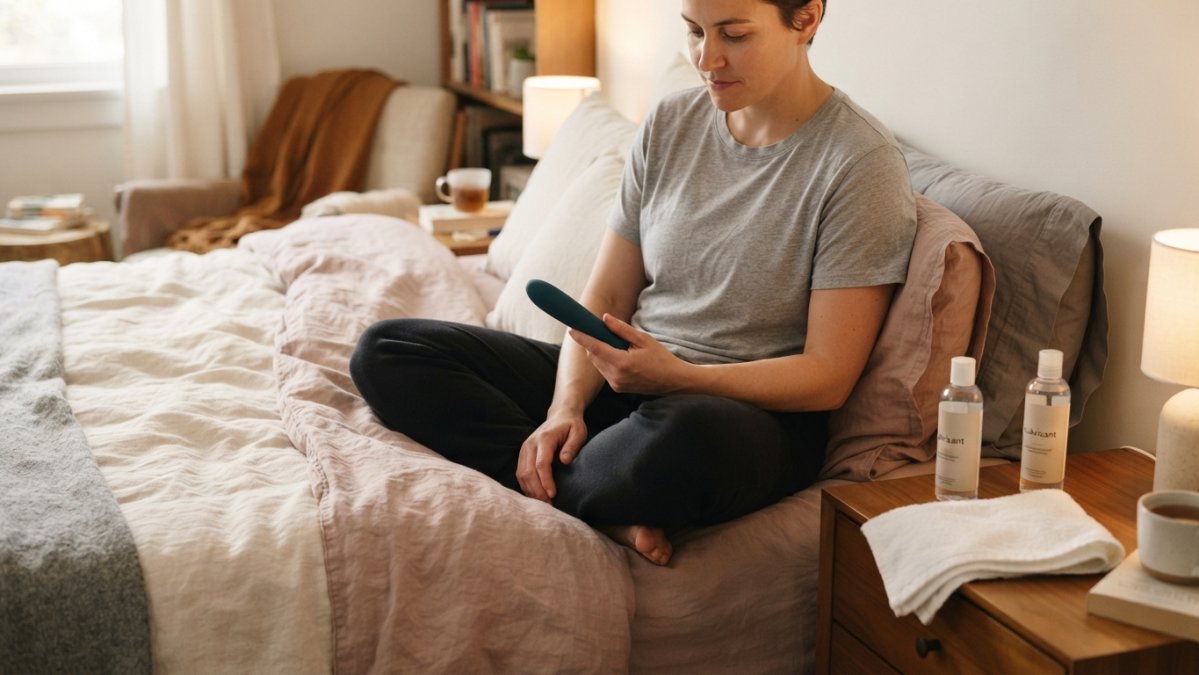
Create an environment where you feel comfortable and can relax. Privacy is important. Make sure you have time without interruptions.
Have water-based lubricant nearby. Even if you're using a vibrator externally, a little lubricant can reduce friction and make everything feel smoother.
Clean your vibrator before using it. Wash it with warm water and mild soap, or use a toy cleaner if you have one. Pat it dry before use.
Getting Started: Step-by-Step
-
Start in a comfortable position. Lying down, sitting, or any position where you feel relaxed works. You're not performing for anyone, comfort is the only goal.
-
Turn on the vibrator at the lowest setting. Get a feel for the vibration. Notice how it feels against your skin.
-
Explore with the vibrator. If you're using it externally, move it around and find what feels good. Pressure, angle, and location all matter.
-
Experiment with settings. Try different intensity levels and patterns. Notice what creates more or less pleasure.
-
Take your time. There's no finish line. The goal is exploration and pleasure, not a specific outcome.
-
Stop whenever you want. If something doesn't feel good, stop. If you feel done, you're done. Your body sets the pace.
Common First-Time Mistakes to Avoid
Starting too high. Many beginners crank the intensity up immediately.
Expecting instant results. Your body might need time to adjust to vibration. Pleasure builds.
Ignoring discomfort. If something hurts or feels wrong, stop. Vibrators should feel good, not painful.
Forgetting lubricant. Even external use benefits from a bit of lubricant. It reduces friction and makes everything feel better.
Comparing yourself to others. What works for someone else might not work for you.
How to Clean a Vibrator and Storage Tips
Proper cleaning and storage keep your vibrator working well and prevent bacteria growth.
Cleaning Best Practices
Wash your vibrator with warm water and mild soap before and after each use.
For vibrators with motors, avoid submerging them unless the manufacturer says they're fully submersible. Check your vibrator's instructions.
Pat your vibrator dry with a clean cloth. Let it air dry completely before storing it.
Use a toy cleaner if you have one, but warm water and soap work fine. Avoid harsh chemicals or bleach.
Storage and Maintenance
Store your vibrator in a cool, dry place. A drawer, closet, or storage box works well.
Keep your vibrator away from extreme heat or cold. Don't leave it in a hot car or near a heat source.
If your vibrator is battery-powered, remove the batteries before long-term storage. This prevents battery corrosion.
Check your vibrator regularly for damage. If the material cracks or the motor stops working, it's time to replace it.
Practical Considerations: Noise, Discretion, and Value
Your first vibrator should fit your lifestyle. Noise level, discretion, and cost all matter.
Noise Level and Discreet Use
Some vibrators are very quiet. Others buzz loudly. If you live with roommates or family, noise matters.
Quieter vibrators use better motor design. They cost a bit more but offer more discretion. Wand vibrators tend to be louder than bullets.
Discreet storage is important if you share living space.
Test the noise level if you can. Many retailers let you see vibrators in person. If you're ordering online, read reviews about noise.
Waterproofing and Where You Can Use It
Waterproof vibrators can be used in the shower or bath. They're fully sealed and safe in water.
Water-resistant vibrators can handle some water exposure but shouldn't be submerged. Check your vibrator's rating before using it in water.
If you think you might want to use your vibrator in the shower or bath, choose a waterproof option. It opens up more possibilities.
Budget and Long-Term Value
Your first vibrator doesn't need to be expensive. Many affordable options are body-safe and well-designed.
A quality beginner vibrator typically costs less than premium options but more than the cheapest available.
Consider how much use you'll get. A vibrator you use regularly is worth more investment than one you might try once.
Our selection focuses on body-safe materials, reliable performance, and straightforward design, exactly what you need to explore your preferences without overspending.
Frequently Asked Questions
What type of vibrator is best for a beginner?
Bullet vibrators and wand vibrators are typically the best starting points for beginners. Bullet vibrators are small, simple to control, and affordable, making them ideal for exploring clitoral stimulation. Wand vibrators offer broader stimulation and are intuitive to use. Both types have straightforward controls and come in beginner-friendly sizes. Choose based on whether you prefer focused or broader stimulation.
What vibrator material is safest for the body?
Medical-grade silicone is the safest and most popular choice for vibrators. It's non-porous, hypoallergenic, and easy to clean. ABS plastic is also body-safe when smooth and high-quality. Avoid materials like jelly rubber, PVC, or anything porous, as they can harbor bacteria and cause irritation. Always check product descriptions to confirm body-safe materials before purchasing.
How do I clean and store a vibrator?
Wash your vibrator with warm water and mild soap before and after each use, or use a toy cleaner designed for intimate products. Pat dry with a lint-free cloth. Store it in a cool, dry place away from direct sunlight in a dedicated pouch or drawer. Keep it separate from other items to prevent damage. If your vibrator is rechargeable, store it fully charged to maintain battery health.
Can I use a vibrator with lubricant?
Yes, water-based lubricant is compatible with all vibrator materials and is recommended for comfort and safety. Apply lubricant to the toy or your body before use. Avoid silicone-based lubricants with silicone toys, as they can degrade the material. Always use a lubricant that's designed for intimate use to prevent irritation and ensure the best experience.
Choosing your first vibrator is about understanding yourself and what feels good. Start with the basics: simple design, body-safe materials, and a type that matches your stimulation preferences. Take your time exploring, be kind to yourself, and remember that pleasure is personal. At Glow Pulse Pleasure, we're here to help you find exactly what you need. Shop our curated selection of beginner-friendly vibrators designed for comfort, safety, and confidence.