 ultimate-guide
Benefits of Light Therapy for Wellness: 2026 Guide
Table of Contents
- What Light Therapy Is and How It Works
- Red Light Therapy Benefits for Skin, Pain, and Recovery
- Bright Light Therapy for Mental Health and Sleep
- How Often to Use Red Light Therapy for Best Results
- Red Light Therapy Side Effects and Safety Precautions
- How to Choose a Light Therapy Device for Home Use
- Conclusion: Building a Realistic Light Therapy Routine
- Frequently Asked Questions
Last Updated: October 12, 2026
What Light Therapy Is and How It Works
Light therapy is the use of specific wavelengths of light to influence biological processes in the body, from skin cell repair to mood regulation. We see growing interest in light-based personal care devices, and the science behind them is worth understanding before you buy anything.
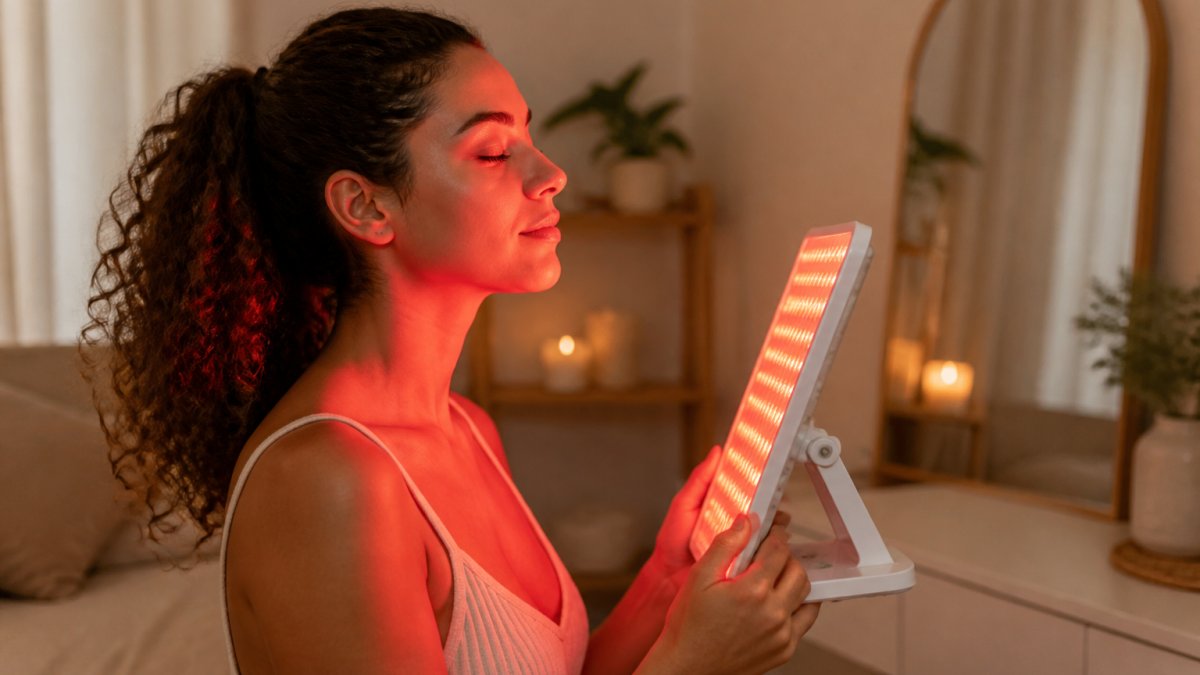
The therapy splits into two broad categories. Red and near-infrared light devices use low-energy light to reach skin and muscle tissue.
Photobiomodulation is the term for how red and infrared light interacts with cells. According to the Cleveland Clinic overview of light therapy, these mechanisms are still being studied, and results vary by device and condition.
That distinction matters. A light box for seasonal mood changes and a handheld red light panel for skin concerns are different tools with different evidence behind them.
Red Light Therapy Benefits for Skin, Pain, and Recovery
Red light therapy benefits center on skin appearance, inflammation, and recovery from physical strain. The evidence is strongest for surface-level skin concerns and modest for deeper claims.
Collagen, Wrinkles, and Skin Elasticity
Collagen production is the headline claim, and it has some support. Red and near-infrared wavelengths penetrate the upper skin layers, where they may stimulate fibroblasts, the cells that build collagen. More collagen can mean improved skin elasticity and a softer appearance of fine lines and wrinkles.
A common mistake is expecting overnight change. Skin remodeling is slow. Many users report visible differences after several weeks of consistent use, not days.
Inflammation, Pain Reduction, and Muscle Recovery
For inflammation and pain reduction, the proposed mechanism involves reduced oxidative stress and improved local circulation. Some people use red light devices after workouts to support muscle recovery, and others use them for joint discomfort.
The evidence here is mixed. Some studies suggest modest pain reduction; others show little difference from placebo. If you are managing a diagnosed condition, talk to your clinician before substituting a home device for treatment.
Bright Light Therapy for Mental Health and Sleep
Bright light therapy for mental health is the best-supported use of light therapy overall. It works by signaling the brain's circadian system through the eyes.
Exposure to bright light in the morning helps regulate the body's internal clock, which influences mood, sleep timing, and energy.
The key detail most people miss: this is not the same as red light therapy.
How Often to Use Red Light Therapy for Best Results
How often to use red light therapy depends on the device, the target tissue, and your goal, but the variables that actually drive results are dose, distance, and consistency, not session count alone. Most home protocols call for sessions several times per week rather than daily marathon use.
The Variables That Actually Matter
- Wavelength. Red light (roughly 630-660 nm) penetrates the upper skin layers and is the usual choice for facial skin concerns. Near-infrared (roughly 810-850 nm) reaches deeper tissue and is more often used for muscle and joint applications. A device that lists only "red light" without a nanometer range is not giving you enough to plan a protocol.
- Irradiance (power density). This is the power delivered per unit area, typically expressed in milliwatts per square centimeter (mW/cm²). Two panels with the same wavelength can deliver very different doses if their irradiance differs.
- Distance. Dose falls off with distance. A panel rated at a given irradiance at the surface delivers far less at 12 inches than at 2 inches. Follow the manufacturer's stated treatment distance rather than guessing.
Typical Home Protocols by Goal
| Goal | Wavelength Focus | Typical Session Length | Typical Frequency | Notes |
|---|---|---|---|---|
| Facial skin concerns | Red, ~630-660 nm | 5-15 minutes | 3-5 times per week | Treat clean, intact skin; keep the device at the manufacturer's stated distance |
| Muscle recovery | Red + near-infrared | 10-20 minutes | After workouts | Cover the target area; do not stack sessions back-to-back |
| Joint discomfort | Near-infrared | 10-20 minutes | Several times per week | Evidence is mixed; treat as supportive, not a substitute for care |
| General wellness | Red or near-infrared | 5-10 minutes | Most days | Lower end of the range is a reasonable starting point |
Why Protocols Are Not Interchangeable
A protocol built for a facial panel is not transferable to a full-body panel, and a protocol for muscle recovery is not transferable to a mood routine. Bright light therapy for circadian rhythm, for example, uses a light box at a specified distance and time of day, it is not a red light protocol at all. Treating session length as the only variable is the most common planning mistake.
A Simple Way to Start
- Pick one goal and one device that matches it.
- Start at the lower end of the session range and the manufacturer's stated distance.
- Use it on a fixed schedule you can actually keep.
- Hold the protocol steady for several weeks before judging results.
More is not better. Overuse can irritate skin or waste time without added benefit. Follow the manufacturer's instructions for your specific device, and start at the lower end of the range.
Red Light Therapy Side Effects and Safety Precautions
Red light therapy side effects are usually mild and short-lived. The most common reports are temporary redness, warmth, or mild irritation at the treatment site. Serious reactions are rare, but the precautions below are the ones that actually change whether a device is safe for you, and they are the ones most consumer articles skip.
Common and Uncommon Reactions
- Common: temporary redness, warmth, or a mild tingling sensation at the treatment site, usually resolving within hours.
- Less common: headache, dizziness, or eye strain, particularly with bright light boxes or prolonged sessions.
- Uncommon: blistering, prolonged irritation, or a burn-like reaction, these suggest a malfunctioning device, an incorrect distance, or an underlying skin condition that should be evaluated.
If redness persists or worsens, stop and seek medical advice. A device that feels uncomfortably hot is malfunctioning or being used too close to the skin.
Photosensitivity and Medication Interactions
Some medications and topical products increase sensitivity to light (the FDA). This is the single most under-discussed safety issue in home light therapy. Common categories to check with a pharmacist or clinician include:
- Certain antibiotics, including tetracyclines and fluoroquinolones
- Isotretinoin and some other acne treatments
- Certain diuretics and blood pressure medications
- Some antidepressants and antipsychotics
This list is not exhaustive. If you take a prescription medication, ask a pharmacist whether it carries a photosensitivity warning before starting any light device. The same applies to topical products you apply to the treatment area.
Eye Safety and Eye Conditions
- Never stare directly into a red or near-infrared device. Use the protective eyewear that ships with the unit.
- Bright light boxes are designed to be looked at indirectly. Follow the manufacturer's distance and duration instructions; do not stare into the light source.
- If you have a history of eye conditions, including cataracts, macular degeneration, retinal disorders, or a family history of retinal disease, consult an eye care professional before using any light device near the eyes.
- Some medications increase eye photosensitivity. The same pharmacist check that covers skin also covers eyes.
Skin Conditions and Areas to Avoid
- Avoid treating broken skin, active rashes, or open wounds unless a clinician has directed you to do so.
- Do not treat areas with suspicious moles or undiagnosed skin lesions. Light therapy is not a diagnostic tool, and delaying evaluation is a real risk.
- If you have a history of skin cancer or are undergoing treatment for one, consult your clinician before use.
Pregnancy and Medical Conditions
Data on light therapy safety during pregnancy is limited. Consult a clinician before use. The same applies if you are managing a diagnosed condition, including thyroid disorders, epilepsy, or any condition for which you take a photosensitizing medication, or if you are using a device over an area with implanted medical hardware.
When to Consult a Clinician Before Starting
- You take any prescription medication with a photosensitivity warning.
- You have a history of eye disease or a family history of retinal conditions.
- You have a history of skin cancer or an undiagnosed skin lesion.
- You are pregnant or breastfeeding.
How to Choose a Light Therapy Device for Home Use
Choosing a light therapy device for home use comes down to matching the tool to your goal, then checking the specifications that actually matter. A device built for facial skin is not the right pick for a mood routine.
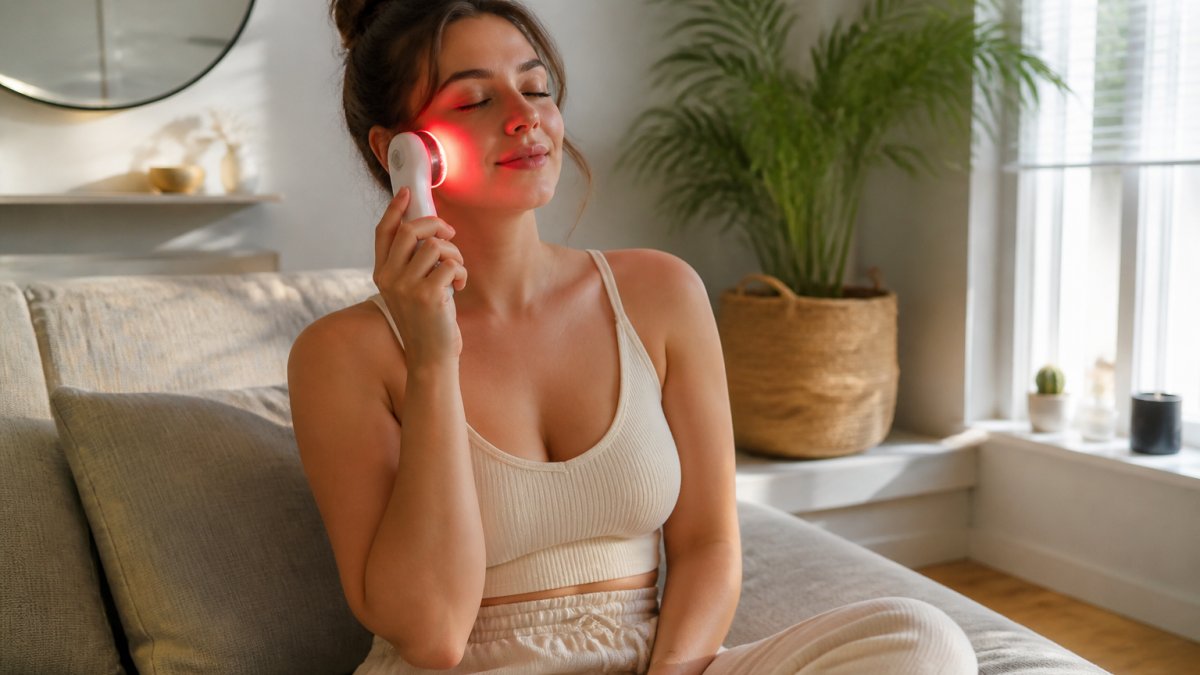
Work through this checklist before buying:
- Confirm the wavelength. Red light sits around 630-660 nanometers; near-infrared around 810-850 nanometers.
- Check the intended use. Skin, recovery, and mood each call for different devices.
- Verify the power output and treatment area size for your target zone.
- Look for clear usage instructions and a stated session duration.
Conclusion: Building a Realistic Light Therapy Routine
The biggest obstacle with light therapy is not the science, it is patience.
Start with one clear goal, pick a device that matches it, and follow a schedule you can actually keep. Consistency beats intensity every time.
At Glow Pulse Pleasure, we carry personal care essentials designed to fit into a realistic wellness routine, backed by a fast, user-friendly shopping experience and a customer-focused approach.
Frequently Asked Questions
How often should you have light therapy?
Most red light therapy protocols suggest three to five sessions per week, with each session lasting 5 to 20 minutes depending on the device and the area being treated. Bright light therapy for mood typically runs daily for 20 to 30 minutes, usually in the morning. Consistency matters more than intensity: skipping days can slow results, while overdoing sessions does not speed them up. Follow the manufacturer's instructions for your specific device and give your skin time to adjust during the first week.
Is red light therapy safe to use at home?
Home devices are generally considered low-risk when used as directed, but safety depends on the device. Look for a unit with a clear wavelength specification, built-in timer, and eye protection guidance. People taking photosensitizing medications, such as certain antibiotics or acne treatments, should check with a doctor before use. Pregnant users and anyone with a history of skin cancer should also get medical clearance first. Stop use and consult a professional if you notice unusual redness, blistering, or irritation.
How is red light therapy different from bright light therapy?
They use different wavelengths and target different outcomes. Red and near-infrared light therapy uses wavelengths around 630 to 850 nanometers, which penetrate skin and tissue and are studied for collagen production, inflammation, and muscle recovery. Bright light therapy uses visible white or blue light at around 10,000 lux, which reaches the eyes and is used for seasonal affective disorder, mood, and sleep timing. A red light panel will not treat seasonal mood shifts, and a bright light box will not improve skin elasticity.
Is 10 minutes of red light therapy enough?
It can be, depending on the device's power output and the treatment area. Lower-powered handheld devices often need 10 to 15 minutes per area, while higher-powered panels may only require 5 to 10 minutes. More time is not automatically better: exceeding the recommended dose can cause irritation without adding benefit. Start with the lower end of the manufacturer's range, track how your skin responds over two to three weeks, and adjust from there. A consistent 10-minute routine usually beats an occasional 30-minute session.